Knee problems can significantly affect daily activities like walking, climbing stairs, or even standing for long periods. One commonly reported issue is the locking and unlocking of the knee joint, a condition that often causes pain, stiffness, and restricted movement. Understanding why this happens, its symptoms, and treatment options can help patients seek timely care and prevent long-term joint damage.
This guide is curated with expert insights from Dr. Rahul Bade, a trusted orthopedic specialist known for treating complex knee conditions.
Understanding the Knee Joint Mechanics
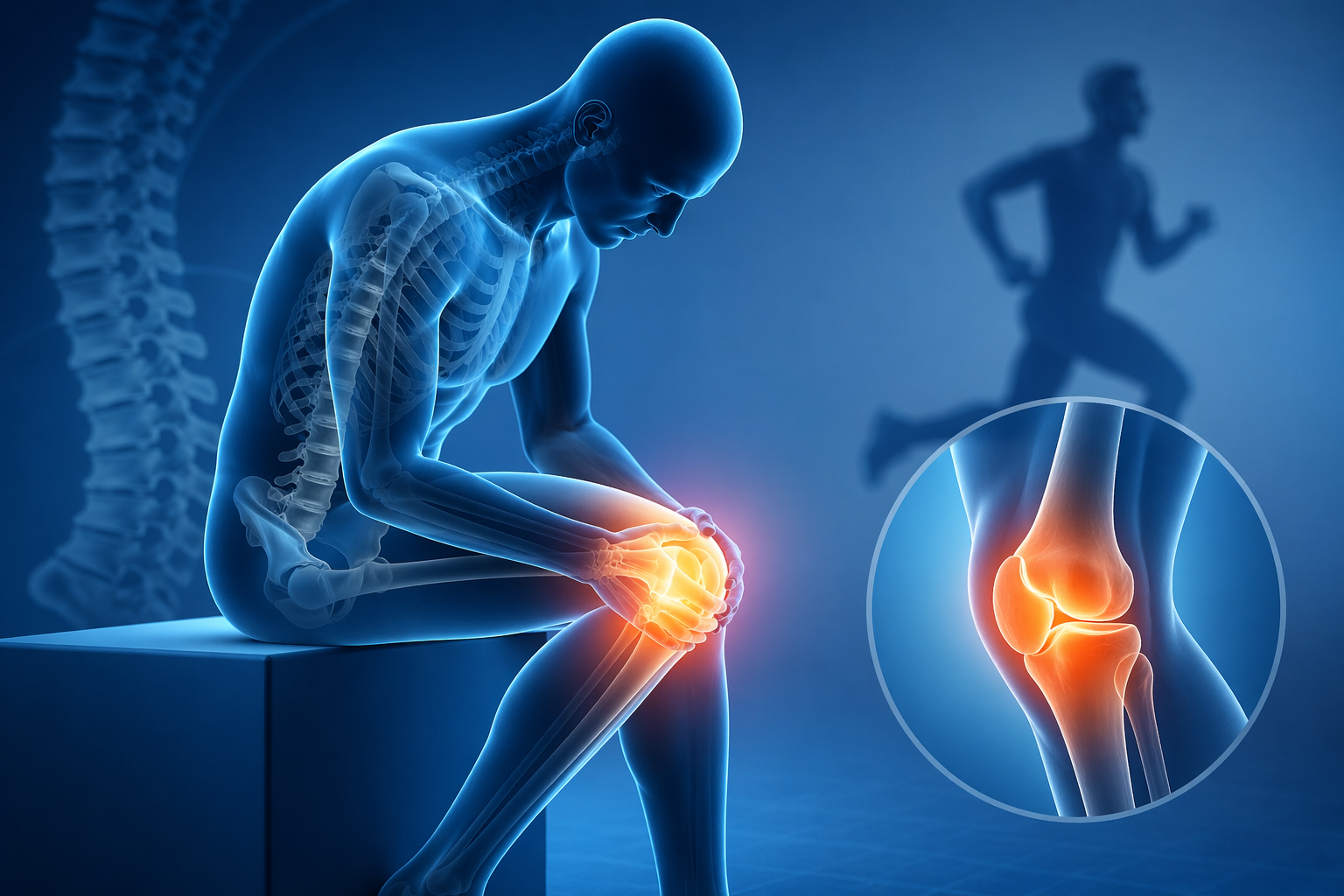
The knee is a hinge joint formed by the femur (thigh bone), tibia (shin bone), and patella (kneecap). Smooth movement depends on cartilage, ligaments, menisci, and synovial fluid working together.
What Is Knee Locking?
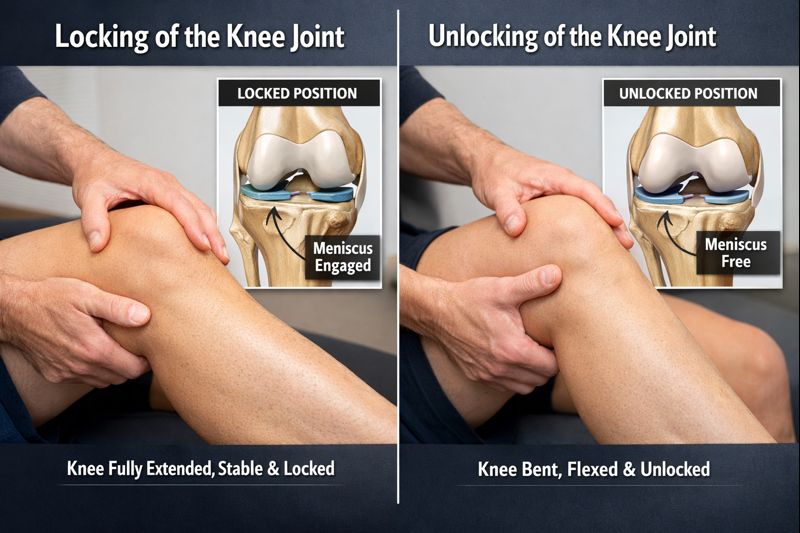
Knee locking occurs when the joint gets stuck in one position—either bent or straight—and cannot move freely.
Types of Knee Locking
-
True Locking: Caused by a physical obstruction inside the joint, such as a torn meniscus or loose cartilage fragment.
-
Pseudo Locking: Occurs due to pain, muscle spasm, or inflammation without a mechanical block.
What Is Knee Unlocking?
Knee unlocking refers to the sudden release of a locked knee, often accompanied by a clicking sensation or sharp pain. While relief may be temporary, repeated unlocking episodes usually indicate an underlying orthopedic issue that requires medical evaluation.
Common Causes of Locking and Unlocking of the Knee Joint
Meniscus Tear
A torn meniscus is one of the most common reasons for true knee locking, especially in athletes and older adults.
Osteoarthritis
Degenerative changes can cause cartilage wear, leading to stiffness and joint instability.
Ligament Injuries
ACL or PCL injuries may affect joint alignment and smooth movement.
Loose Bodies in the Joint
Fragments of bone or cartilage can float inside the joint space and obstruct motion.
Post-Surgical Changes
Scar tissue formation after knee surgery may also cause intermittent locking.
Symptoms You Should Not Ignore
-
Sudden inability to straighten or bend the knee
-
Pain during movement
-
Swelling and stiffness
-
Clicking or popping sounds
-
Feeling of the knee “giving way”
Persistent symptoms may require consultation with the Best Orthopedic Doctor in Pune to prevent worsening of the condition.
Diagnosis of Knee Locking and Unlocking
Clinical Examination
An orthopedic specialist evaluates knee stability, range of motion, and pain points.
Imaging Tests
-
X-ray to assess bone structure
-
MRI to detect meniscus tears, ligament injuries, or cartilage damage
Early diagnosis improves treatment outcomes and reduces the need for invasive procedures.
Treatment Options for Knee Locking Problems
Non-Surgical Treatments
-
Rest and activity modification
-
Anti-inflammatory medications
-
Physiotherapy to strengthen surrounding muscles
-
Knee braces for support
Surgical Treatments
If conservative treatment fails, surgical options may be recommended:
-
Arthroscopy for meniscus repair
-
Cartilage restoration procedures
-
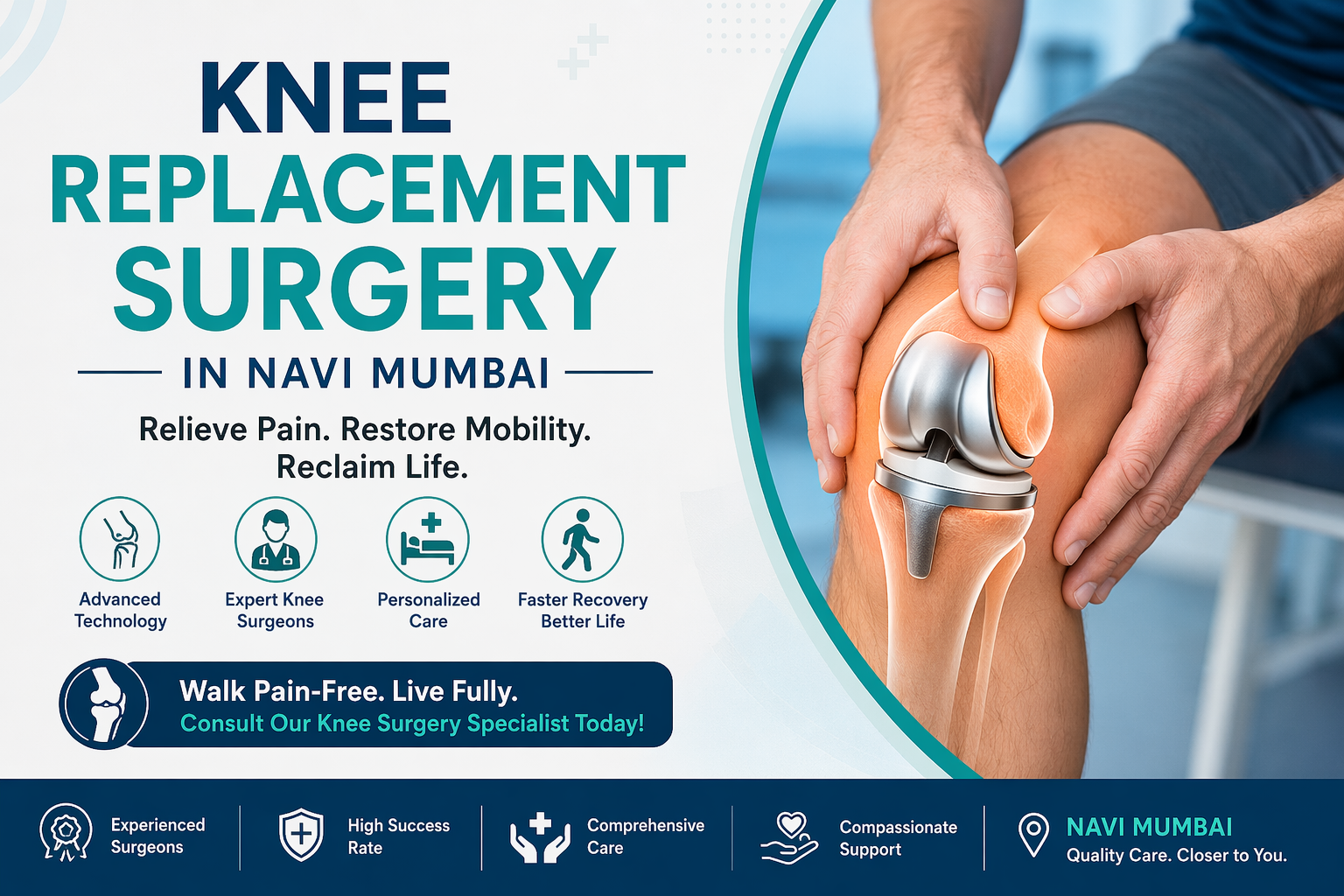
Partial or total knee replacement in advanced cases
Complex cases are often managed by a Best Knee Replacement Surgeon in Pune with expertise in advanced joint care.
When Is Knee Replacement Needed?
Severe arthritis or repeated mechanical locking that limits daily life may require knee replacement surgery. A qualified Joint Replacement Surgeon in Pune can guide patients through treatment planning, recovery expectations, and long-term joint health.
Patients searching online for Best Orthopedists Near Me in Pune should look for experience, patient reviews, and access to modern surgical techniques.
Recovery and Prevention Tips
-
Maintain a healthy weight to reduce joint stress
-
Perform regular knee-strengthening exercises
-
Avoid sudden twisting movements
-
Seek early medical advice for knee pain
Choosing experienced Knee Replacements Doctors In Pune ensures personalized care and better recovery outcomes.
People Also Ask (FAQs)
Q1. Is knee locking serious?
Yes, especially true locking caused by meniscus tears or loose bodies. It should be evaluated by an orthopedic specialist.
Q2. Can knee locking heal on its own?
Mild pseudo locking may improve with rest and physiotherapy, but mechanical locking usually requires medical treatment.
Q3. Does knee locking always need surgery?
Not always. Early-stage conditions often respond well to non-surgical treatments.
Q4. How long does recovery take after knee surgery?
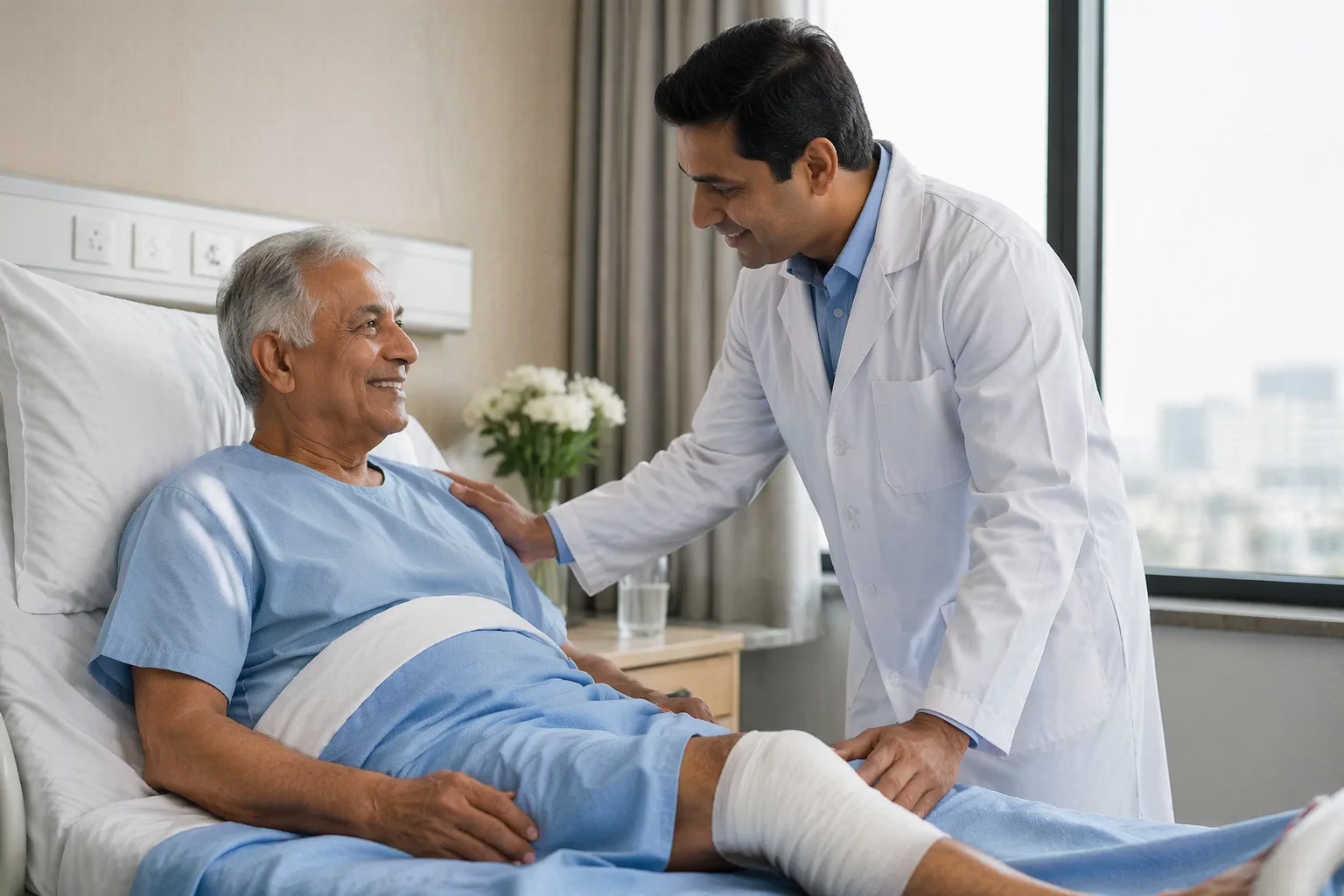
Recovery varies depending on the procedure, ranging from a few weeks for arthroscopy to several months for knee replacement.
Q5. When should I see a doctor?
If knee locking is recurrent, painful, or affects daily activities, consult an orthopedic specialist promptly.
Final Thoughts
Locking and unlocking of the knee joint should never be ignored. Early diagnosis and expert care can restore mobility and prevent long-term damage. With guidance from Dr. Rahul Bade, patients can access advanced diagnostic tools and personalized treatment plans to regain pain-free movement and confidence in everyday life.
Address:
Vignaharta, Sai Canary New Road, near Rugved Uptown, Balewadi, Pune, Maharashtra 411045
Email Us:
berahul@gmail.com
Appointment For Balewadi:
+91 77 6988 1155
Appointment For Somatne:
+91 77 6988 1188