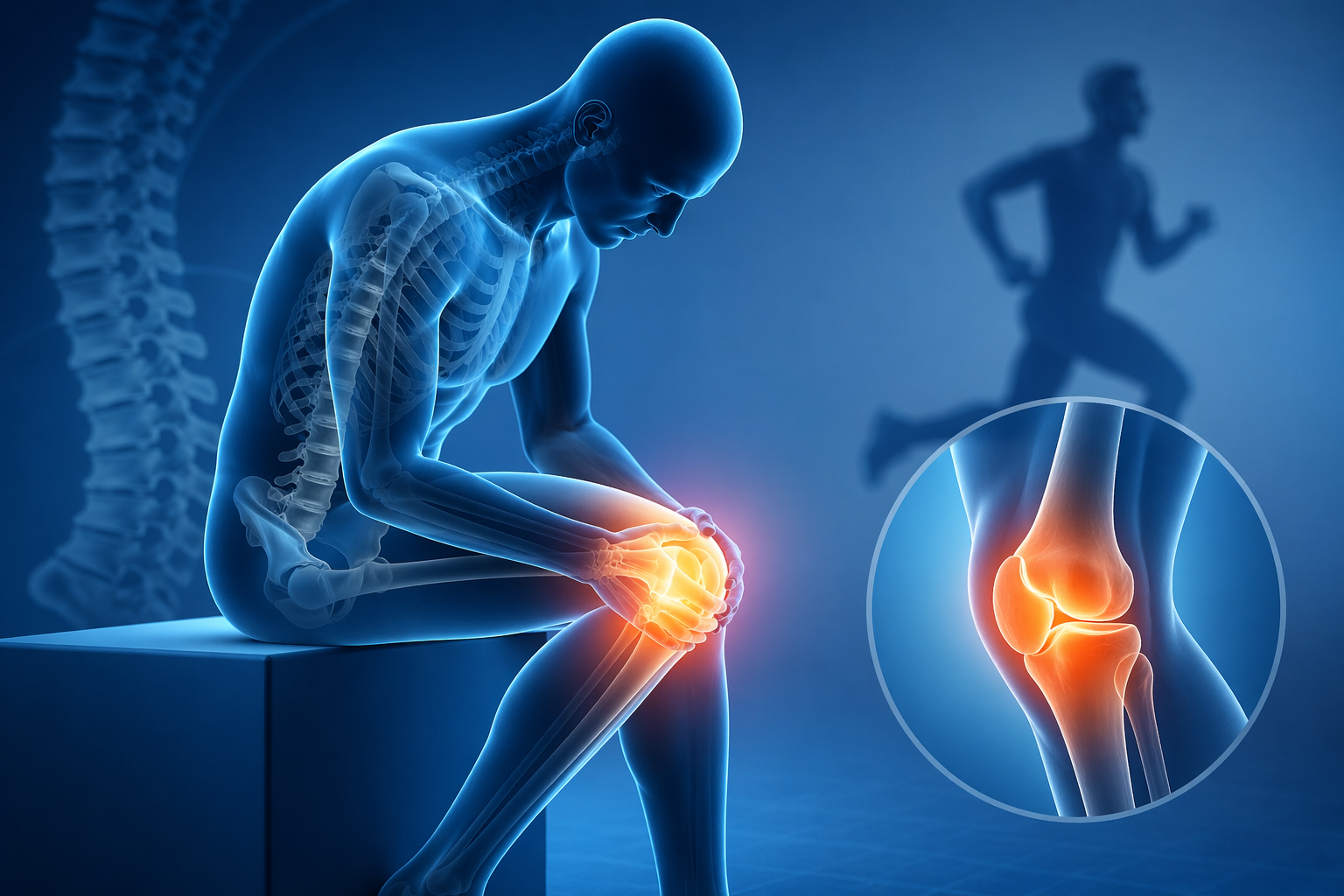
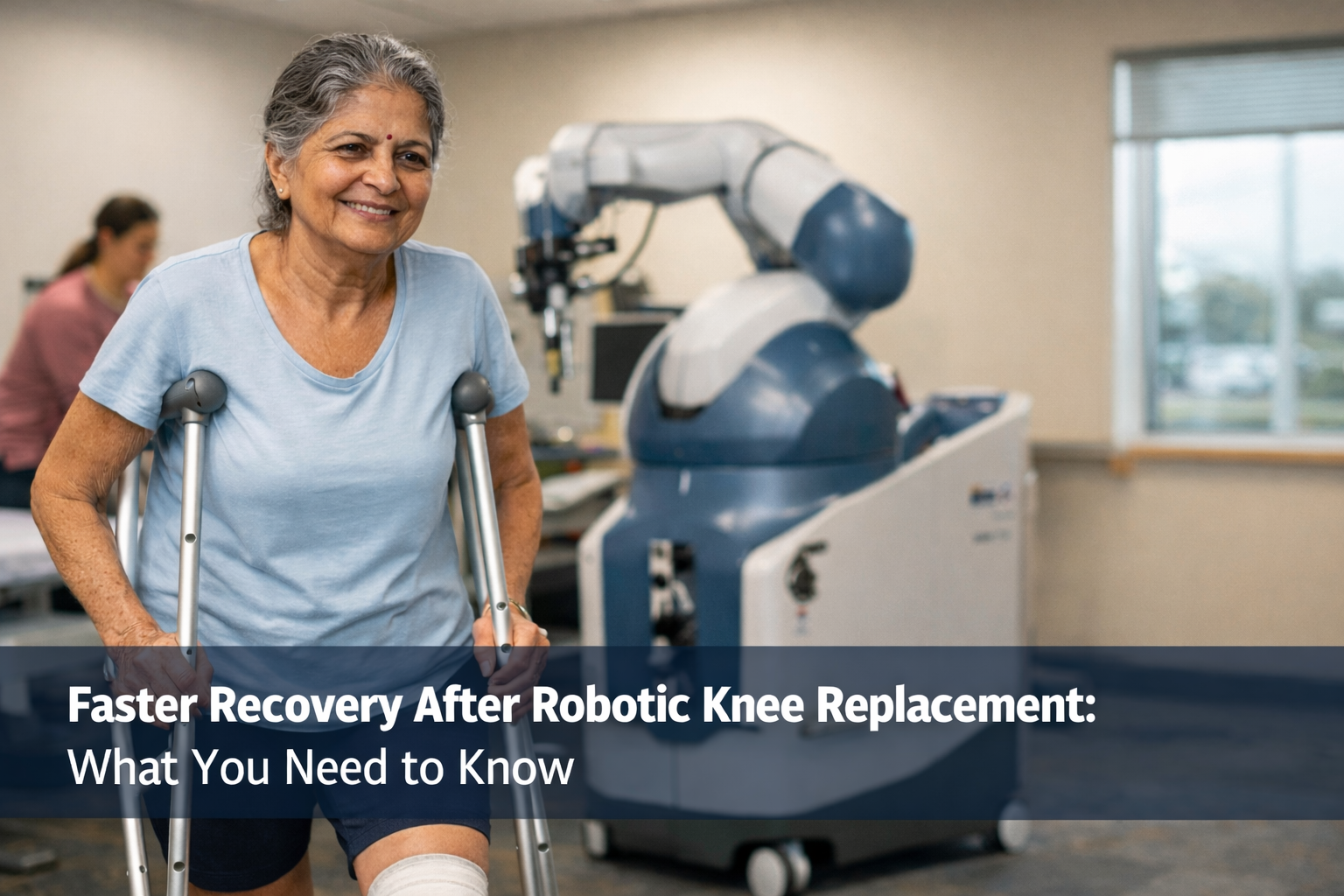
Knee pain from arthritis or injury can significantly impact mobility and quality of life. Robotic knee replacement surgery offers a precise, minimally invasive solution that reduces pain and accelerates recovery. Dr. Rahul Bade explains how patients can achieve faster recovery, what to expect post-surgery, and tips for long-term joint health.
Understanding Robotic Knee Replacement
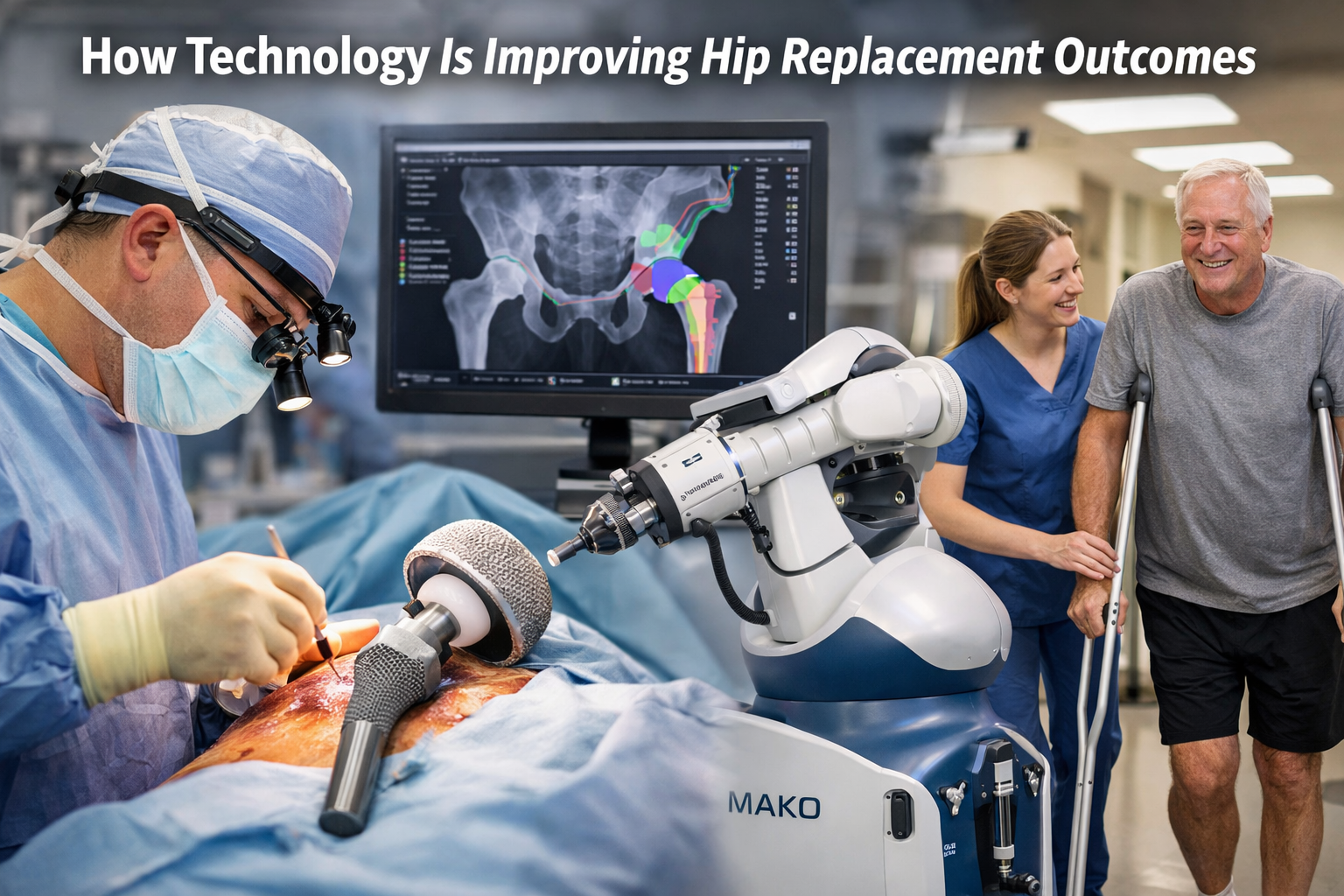
Robotic knee replacement combines advanced imaging, robotic-assisted precision, and minimally invasive techniques to replace damaged knee joints. This approach ensures better alignment, reduced tissue damage, and improved functional outcomes.
How Robotic Surgery Differs from Traditional Knee Replacement
-
Pre-operative 3D mapping for personalized implant positioning
-
Minimally invasive incisions reduce soft tissue damage
-
Enhanced precision improves joint function and longevity
Robotic Knee Replacement Surgery in Pune provides patients with faster recovery, less post-operative pain, and better long-term results compared to conventional surgery.
Benefits of Robotic Knee Replacement for Faster Recovery
-
Reduced post-surgery pain
-
Smaller incisions leading to faster healing
-
Early mobilization and quicker return to daily activities
-
Accurate implant alignment improving long-term joint function
-
Reduced risk of revision surgeries
Patients often notice improved mobility within days and can begin physiotherapy sooner, which accelerates overall recovery.
Recovery Phases After Robotic Knee Replacement
Immediate Post-Operative Phase
-
Pain and swelling are managed with medications and ice therapy
-
Gentle ankle and quadriceps exercises begin within 24 hours
-
Walking with support is encouraged to prevent stiffness
Early Recovery (Weeks 1–4)
-
Gradual increase in walking distance
-
Physiotherapy focuses on strengthening and range-of-motion exercises
-
Daily activities can be resumed under guidance
Intermediate Recovery (Weeks 4–12)
-
Advanced strengthening and balance exercises introduced
-
Reduced reliance on walking aids
-
Patients begin returning to low-impact activities like cycling and swimming
Long-Term Recovery (3–6 Months)
-
Improved joint flexibility and muscle strength
-
Most patients resume normal lifestyle activities
-
Long-term rehabilitation continues for optimal joint health
Tips for Accelerating Recovery
Follow a Structured Physiotherapy Plan
-
Early physiotherapy under guidance is critical
-
Focus on quadriceps, hamstrings, and hip muscles
Maintain a Healthy Diet
-
Protein, calcium, and vitamins support tissue repair and bone strength
Manage Weight
-
Reduces stress on the new knee implant
-
Improves mobility and reduces pain
Avoid High-Impact Activities Initially
-
No running or jumping for at least 3–6 months
-
Engage in low-impact exercises like swimming, walking, or cycling
Regular Follow-Ups
-
Post-surgery monitoring ensures proper healing and early detection of any issues
-
Consulting Best Orthopedists Near Me in Pune helps track recovery progress
Expert Advice from Dr. Rahul Bade
Dr. Rahul Bade, a trusted Orthopedic Surgeon In Pune, emphasizes early mobilization, adherence to physiotherapy, and lifestyle modifications to achieve the fastest recovery. He recommends individualized rehabilitation plans and close monitoring to ensure patients regain maximum knee function and independence.
Cost and Hospital Considerations
-
Knee Replacement Surgery Cost Pune varies depending on hospital, implant type, and surgical technique
-
Patients seeking advanced procedures may also consider Knee Replacement Surgery in Navi Mumbai for comparison
-
Choosing a hospital with experienced surgeons and advanced infrastructure is crucial
-
Robotic Orthopaedic Surgery in Pune centers offer modern facilities for enhanced recovery
Selecting the Best Orthopedic Doctor in Pune ensures proper guidance, post-operative care, and long-term joint health.
People Also Ask (FAQs)
How soon can I walk after robotic knee replacement?
Most patients begin walking with support within 24 hours post-surgery under physiotherapy guidance.
When can I resume daily activities?
Simple activities can usually resume within 2–4 weeks, while more demanding tasks may take 6–12 weeks.
Is robotic knee replacement less painful than traditional surgery?
Yes, robotic-assisted surgery typically causes less tissue damage and reduces post-operative pain.
How long does full recovery take?
Full recovery generally occurs within 3–6 months with consistent physiotherapy and adherence to medical advice.
Conclusion
Robotic knee replacement offers a revolutionary approach to knee pain relief, with faster recovery, precise joint alignment, and better long-term outcomes. Patients who follow structured rehabilitation, maintain a healthy lifestyle, and adhere to expert guidance by Dr. Rahul Bade can regain mobility, reduce pain, and enjoy an active life post-surgery. Early consultation with the Best Orthopedic Doctor in Pune ensures personalized care and optimal recovery.
Address:
Vignaharta, Sai Canary New Road, near Rugved Uptown, Balewadi, Pune, Maharashtra 411045
Email Us:
berahul@gmail.com
Appointment For Balewadi:
+91 77 6988 1155
Appointment For Somatne:
+91 77 6988 1188